The moment the Secret music video begins, it’s clear that CAMO is not just releasing a track; she is premiering a short film. The production value is immediately striking, moving far beyond the typical hip-hop video aesthetic to embrace a sophisticated, narrative-driven visual language. This isn’t just a backdrop for performance; it’s a meticulously crafted world that deepens the emotional resonance of the song. The visual narrative unfolds with a deliberate pace, utilizing cinematic techniques that speak to a clear directorial vision, one that understands the power of subtlety and the impact of a well-placed visual metaphor.
The Language of Light and Shadow
One of the most compelling aspects of the video is its masterful use of lighting. The color palette is rich and moody, dominated by deep blues, stark whites, and the occasional burst of neon red that feels less like a pop flourish and more like a crucial plot point. This is the kind of lighting design you expect from a high-budget psychological thriller, not a K-hip-hop release. The contrast between light and shadow is used to great effect, often obscuring CAMO’s face or figure, creating a sense of mystery and vulnerability that mirrors the lyrical themes of the track Secret. The chiaroscuro effect doesn’t just look good; it actively contributes to the storytelling, suggesting hidden truths and the duality of public persona versus private reality.
The video’s visual grammar is less about showcasing the artist and more about drawing the viewer into a carefully constructed emotional labyrinth.

The camera work further cements this cinematic feel. We see sweeping, steady-cam shots that establish the grandeur of the settings—from dimly lit, industrial spaces to opulent, almost sterile interiors. These are interspersed with tight, intimate close-ups that capture the raw emotion in CAMO’s eyes. The editing is sharp and rhythmic, but never frantic. It follows the beat of the song, certainly, but it also respects the narrative flow, allowing scenes to breathe and moments of tension to build naturally. This patience in the edit is a hallmark of quality filmmaking, distinguishing it from the rapid-fire cuts often employed in music videos to mask a lack of substance.
A World of Architectural Isolation
The locations chosen for Secret are characters in themselves. They are often vast, empty, and architecturally imposing, reinforcing a theme of isolation and the pressure of maintaining a facade. The cold, concrete environments and the long, echoing hallways suggest a journey through a mental landscape as much as a physical one. The settings are not merely decorative; they are symbolic representations of the emotional distance and guardedness that the title Secret implies.
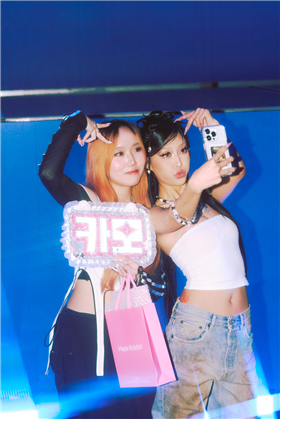
The wardrobe and styling are equally deliberate, avoiding flashy excess in favor of a sleek, almost futuristic minimalism. CAMO’s outfits are sharp, tailored, and often monochromatic, serving to integrate her into the visual architecture rather than distract from it. This choice emphasizes the performance as a piece of art within the larger visual framework, rather than a standalone fashion statement. It’s a subtle but powerful choice that keeps the focus squarely on the mood and the message.
- Key Cinematic Elements in Secret:
- Mise-en-scène: Every frame is meticulously composed, utilizing deep focus and leading lines.
- Color Grading: A consistent, desaturated palette with strategic color accents for emotional impact.
- Narrative Arc: A clear, albeit abstract, story of internal conflict and self-discovery.
- Sound Design: The music is treated as a score, with visual elements timed to specific sonic cues.
The narrative, while abstract, is compelling. It suggests a cycle of performance, retreat, and confrontation. There are recurring motifs—mirrors, water, and confined spaces—that act as visual anchors for the emotional turmoil. The mirror scenes, in particular, are a classic cinematic device, used here to explore the theme of identity and the self-reflection required to break free from a self-imposed prison. When CAMO finally breaks the surface of the water, or steps out of the shadows, it feels like a genuine moment of catharsis, earned through the preceding visual struggle.
The Director’s Touch: Pacing and Symbolism
The pacing of the video is perhaps its most cinematic triumph. It doesn’t rush to the chorus or rely on spectacle to hold attention. Instead, it builds tension through sustained shots and meaningful glances. There are moments of quiet contemplation that allow the viewer to absorb the atmosphere, followed by sudden, impactful shifts in action or setting. This dynamic rhythm is what elevates the video from a simple promotional piece to a work of visual art.
The symbolism is rich but never heavy-handed. The recurring image of a key or a locked door, for instance, is a clear representation of the album’s title, but it is integrated seamlessly into the set design and the choreography. The subtle gestures and expressions from CAMO herself are also crucial. She performs with a restraint that suggests a deep understanding of the camera, conveying volumes with a single, prolonged gaze. This is acting, not just rapping, and it is essential to the video’s success as a cinematic piece.
The Secret music video is a testament to the idea that a music video can be a legitimate form of short-form cinema. It utilizes the full arsenal of filmmaking techniques—from sophisticated lighting and set design to thoughtful editing and symbolic narrative—to create an experience that is both visually stunning and emotionally resonant. It is a bold statement from CAMO, proving that her artistic ambition extends far beyond the sound booth and into the realm of high-concept visual storytelling. The video doesn’t just accompany the song; it reinterprets it, giving the listener a new, deeper context for the Secret that CAMO is sharing. It’s a visual feast that demands multiple viewings, each one revealing another layer of its carefully constructed cinematic world. This level of dedication to the visual craft sets a new benchmark for the genre.